Gartner’s How to Achieve the Minimum Viable AI Governance


Gartner® Report
AI Usage Policy
Building Practical AI Governance Without Slowing Innovation
Gartner’s report explains how to create practical AI usage policies that encourage responsible adoption while supporting innovation through lightweight governance, operating models, and continuous oversight.
Fill in the report to get started.
* GARTNER is a trademark of Gartner, Inc. and/or its affiliates.
ㅤ
Create an AI Usage Policy Employees Will Actually Follow
AI adoption is accelerating faster than governance. Without a clear AI usage policy, employees turn to unauthorized tools, sensitive data leaves approved environments, and shadow AI becomes inevitable.
- Build an AI Usage Policy
Create practical policies that encourage responsible AI adoption without slowing innovation or driving employees toward shadow AI. Establish clear ownership, cross-functional decision making, and governance processes that scale with AI adoption. - Strengthen AI Oversight
Implement oversight systems that monitor AI usage, validate outputs, and support ongoing compliance across the enterprise. - Reduce Shadow AI Risk
Understand how effective AI usage policies help curb unauthorized AI adoption through enablement rather than prohibition. - Improve AI Literacy
Equip employees with the principles and guidance needed to use AI responsibly and consistently throughout the organization.
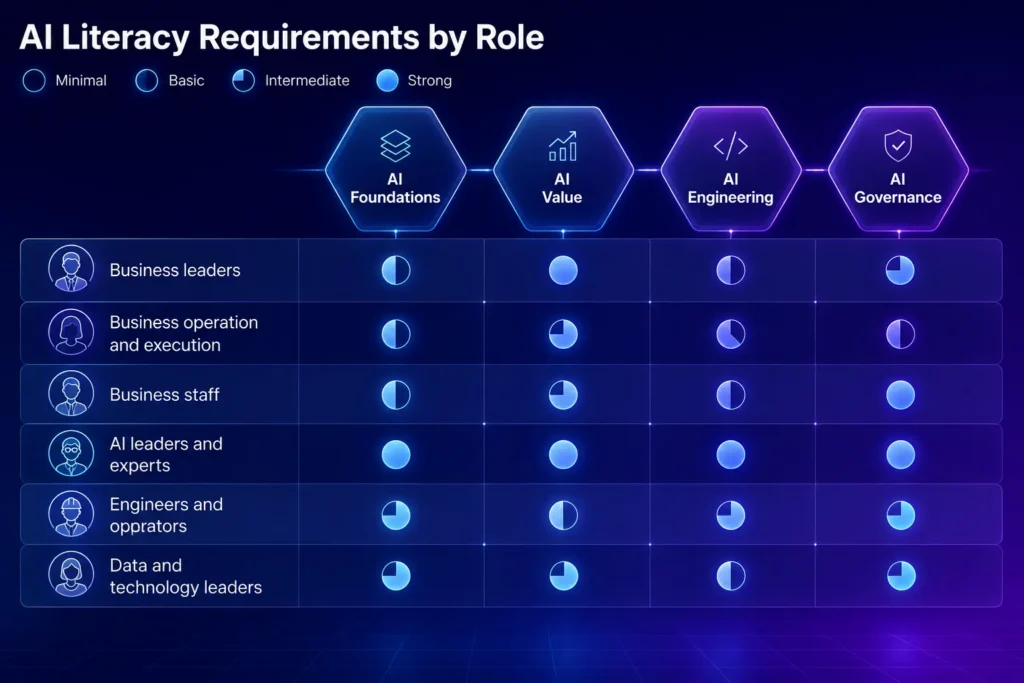
Gartner, How to Achieve the Minimum Viable AI Governance, By Alys Woodward, 26 January 2026
Your team is already using AI. Is anyone governing it?
In our view, Gartner lays out a lean, realistic path: govern AI across 3 categories — policies and controls, your operating model, and oversight systems.
Bring shadow AI into the light. Discover and inventory every AI tool, agent, Skill, and MCP connector touching enterprise data.
From Strategy to Machine-Speed Enforcement
Gartner emphasizes that “Although the focus of AI governance should be on influencing rather than constraining, miscompliance with procedures must be discouraged, escalated and ultimately sanctioned.”
To run a tight ship in this context, operators must take a systematic approach, moving beyond human-speed review and remediation.
Remedio AI Govern Bridges the Gap
We don’t just alert you to policy drift or shadow AI; our on-device sensors safely and automatically remediate risks by restricting permissions or uninstalling unauthorized tools in real time.
Establish your minimum viable framework and let Remedio enforce it flawlessly with instant rollback capabilities.
Testimonials Section


Remedio gives us the ability to fix problems in our environments without impacting our operations; it’s a real game-changer.


Remedio has helped me deploy a Technical Security Baseline to all my endpoint devices globally.


Remedio gives our team incredibly detailed visibility into our global computing environment.


Remedio helps me close security gaps – including those I didn’t know I had.
FAQs to Mull Over Before You Get Started
What is an AI usage policy?
An AI usage policy defines how employees can safely use AI across the organization. It establishes clear expectations for approved tools, acceptable use, data protection, and oversight so AI adoption can scale without introducing unnecessary security, compliance, or governance risks.
What should an AI usage policy include?
An effective AI usage policy should identify approved AI tools, define acceptable use, establish data handling requirements, assign governance responsibilities, and outline how AI usage will be monitored and reviewed. The goal is to provide practical guidance that employees can easily understand and follow.
Why is an AI usage policy important?
Without a clear AI usage policy, employees often adopt AI tools independently, increasing the risk of shadow AI, data leakage, inconsistent governance, and compliance issues. A practical policy enables innovation while helping organizations manage risk.
Who should own an AI usage policy?
AI usage policies should be developed collaboratively by IT, security, legal, compliance, and business leaders. Many organizations establish an AI governance committee to oversee policy development, updates, and ongoing governance as AI adoption expands.
How often should an AI usage policy be updated?
AI usage policies should be reviewed regularly as AI technologies, regulations, and business requirements evolve. Governance should be flexible enough to accommodate new tools, changing risks, and emerging compliance obligations without requiring a complete policy rewrite.