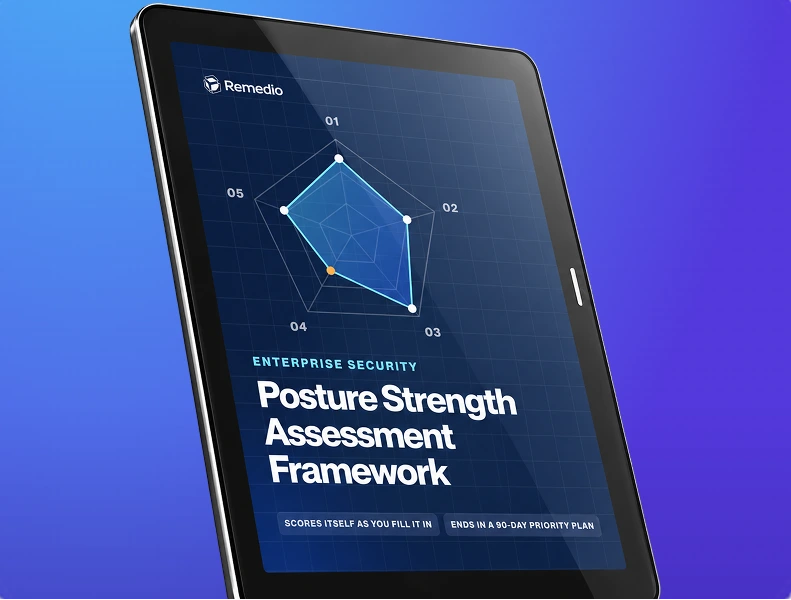
Gartner’s How to Achieve the Minimum Viable AI Governance


Remediation that doesn’t hold isn’t remediation. Configuration drift is how hardened endpoints quietly return to an exposed state – through policy conflicts, reimaging, user changes and software updates. These articles cover why drift recurs, how configuration debt accumulates, and what it takes to make a fix permanent.

On October 21, the PHP project released emergency fixes for two critical vulnerabilities, CVE-2026-109618 and CVE-2026-109619, now widely referred to as "PHP2Shell." Both are rated CVSS 9.2 and allow an unauthenticated attacker to run code on a server with a single crafted web request.
Topic
Author
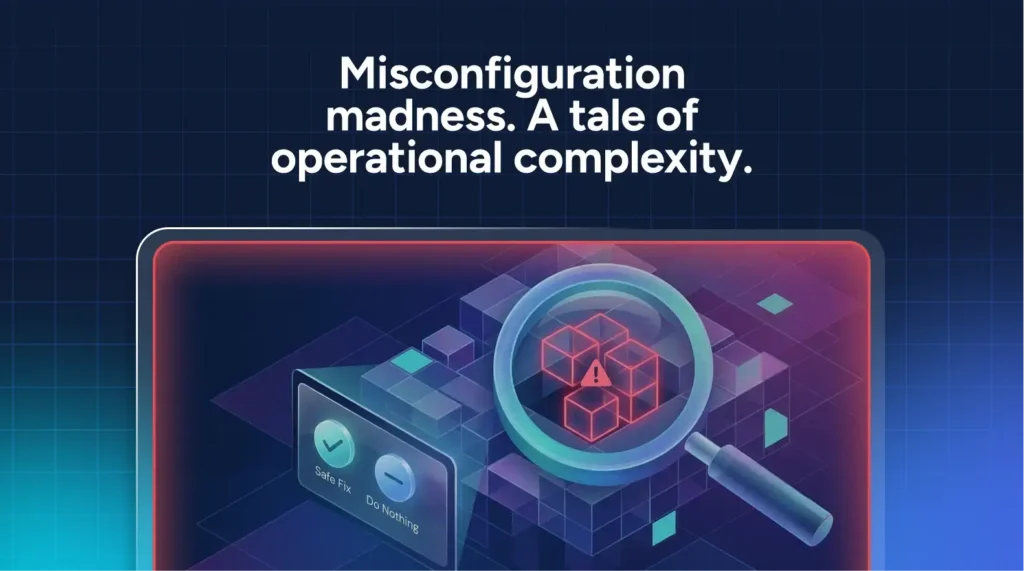
Most security teams already know misconfigurations matter. The real issue is that they rarely behave like isolated mistakes. They accumulate across endpoints, identities, cloud services, and network devices until the environment becomes harder to trust, harder to operate, and harder to defend.

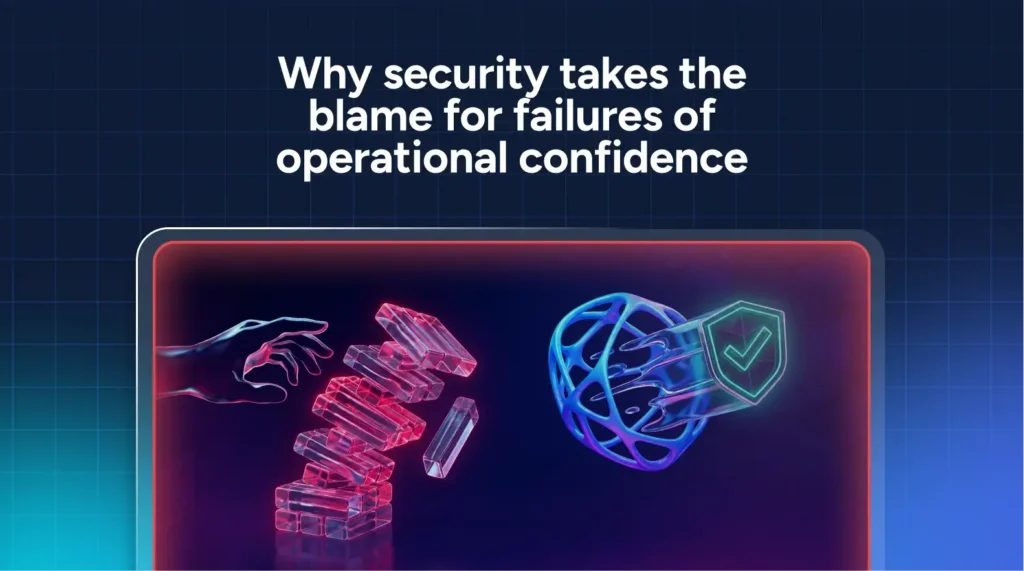
Fragmented enforcement, protracted workflows, complicated change management, and unknown impact slow down your business. Safe, dependency-aware remediation are essential to reducing exposure without disrupting the business.
Capture the noteworthy, cut the noise!
Get Remedio’s monthly endpoint security briefing on emerging risks, hardening strategies, and what’s new in enterprise security.
Subscribe to our newsletter to stay up-to-date and in the loop.
One email a month. Unsubscribe anytime.
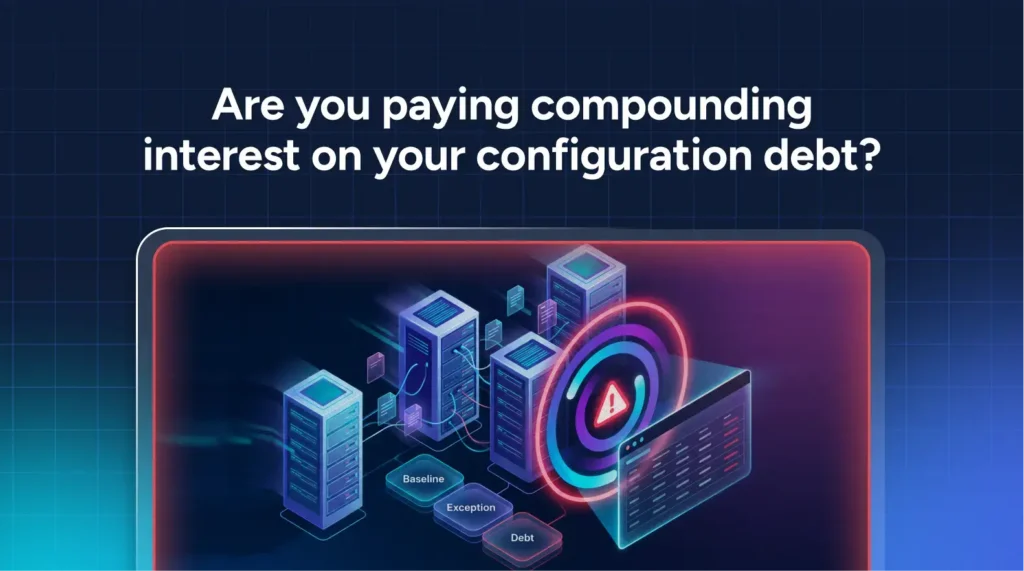
This article explains how configuration debt increases breach risk, weakens compliance, and creates operational drag. It also explains why continuous, safe remediation is the only reliable way to pay it down, and provides some guidance or so doing.

Security teams don’t struggle because they miss endpoint risks. They struggle because the same exposures keep coming back. Here we explain where and why risk management breaks down and what can be done to prevent risk recurrence.

Strong defenses can still leave organizations exposed when configurations drift. Explore why closing the gap between policy and reality is essential to modern security.

Endpoint security is no longer a periodic exercise. Learn how Autonomous Endpoint Management enables continuous control, resilience, and operational excellence.

In fast-moving, interconnected environments, cybersecurity is no longer all about the perimeter. As AI adoption accelerates and cyber conflict grows more indiscriminate, organizations must evolve their defenses and overall posture to stay ahead of threats.

Autonomous Endpoint Management helps organizations maintain secure configurations, reduce operational burden, and continuously protect dynamic endpoint environments.


Least privilege depends on more than permissions alone. Learn how secure configurations help enforce access controls while reducing operational complexity.