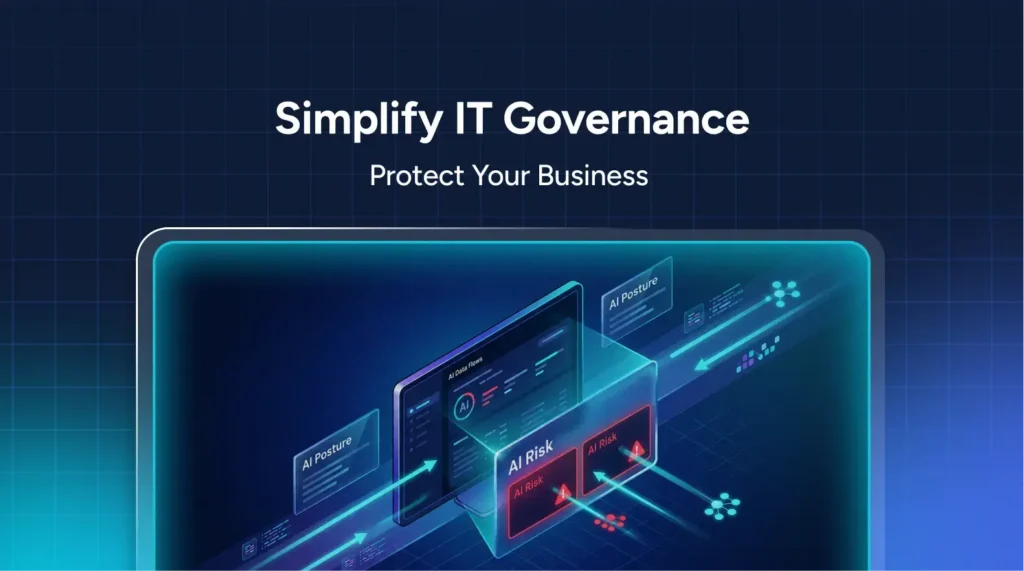
Gartner’s How to Achieve the Minimum Viable AI Governance


Remediation that doesn’t hold isn’t remediation. Configuration drift is how hardened endpoints quietly return to an exposed state – through policy conflicts, reimaging, user changes and software updates. These articles cover why drift recurs, how configuration debt accumulates, and what it takes to make a fix permanent.

On October 21, the PHP project released emergency fixes for two critical vulnerabilities, CVE-2026-109618 and CVE-2026-109619, now widely referred to as "PHP2Shell." Both are rated CVSS 9.2 and allow an unauthenticated attacker to run code on a server with a single crafted web request.
Topic
Author

A golden image gives you a clean starting point. It does not guarantee secure endpoints a week later. This article explains what goes into golden image enforcement and maintenance.


Secure baselines are only as effective as their enforcement. Prioritize these ESPM hardening checks by security impact and operational risk to prevent configuration drift from reopening exposure.

Capture the noteworthy, cut the noise!
Get Remedio’s monthly endpoint security briefing on emerging risks, hardening strategies, and what’s new in enterprise security.
Subscribe to our newsletter to stay up-to-date and in the loop.
One email a month. Unsubscribe anytime.

Vulnerability prioritization identifies what matters most. Reducing the backlog requires turning those priorities into safe, verified remediation that can scale across the enterprise.
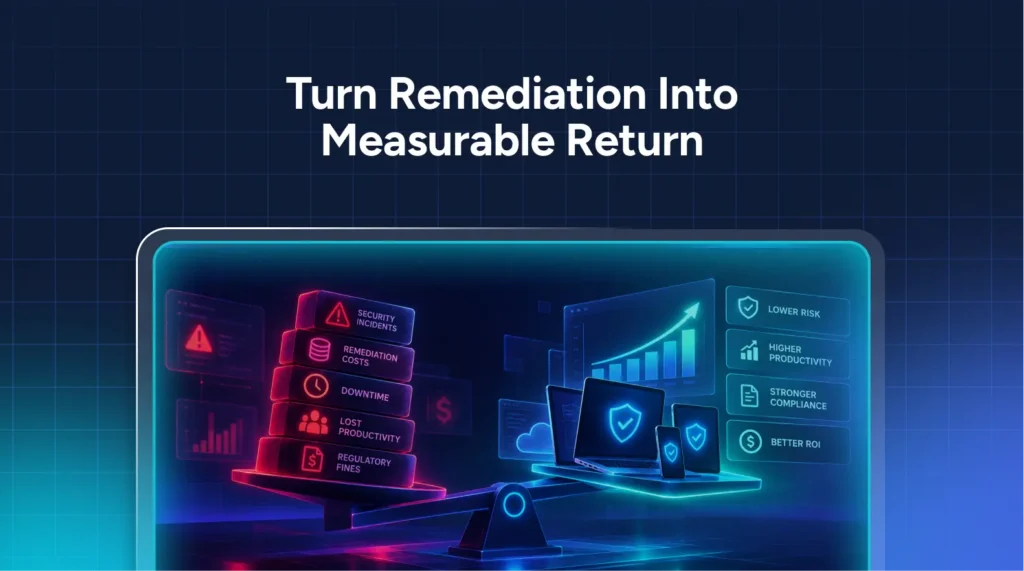
Cybersecurity ROI should not be measured by findings closed or patches deployed. Is must be a function of exposure reduction, verified outcomes, and recovered capacity measured against remediation costs.

In 2026, it's not enough for enterprises to have endpoint controls in place. They need to know they're correctly scoped, effective in their environments, and still working after the next change.

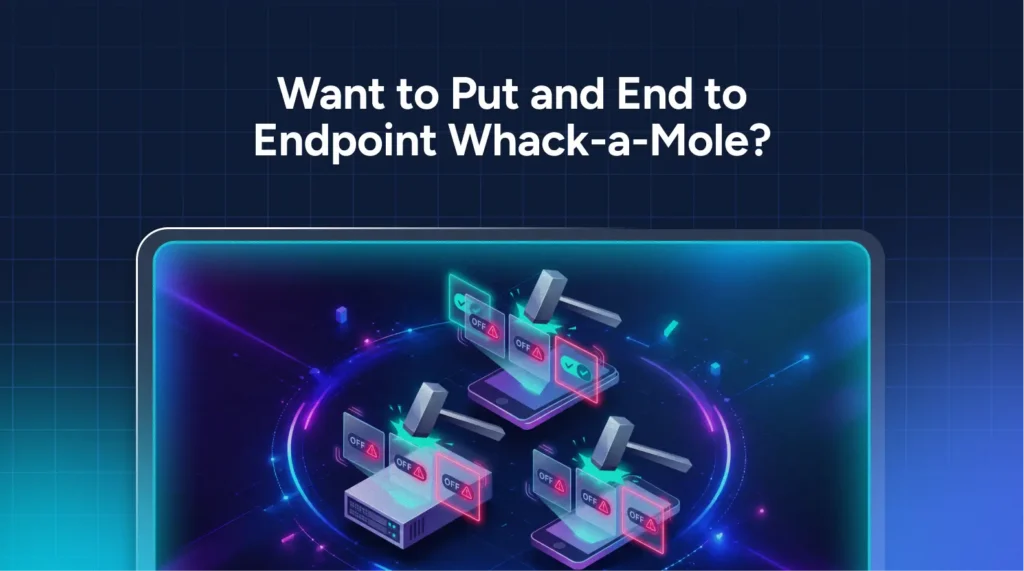
Automated remediation closes the gap between finding risk and maintaining a hardened state – turning security findings into prioritized, validated, reversible fixes that stay enforced as environments change.
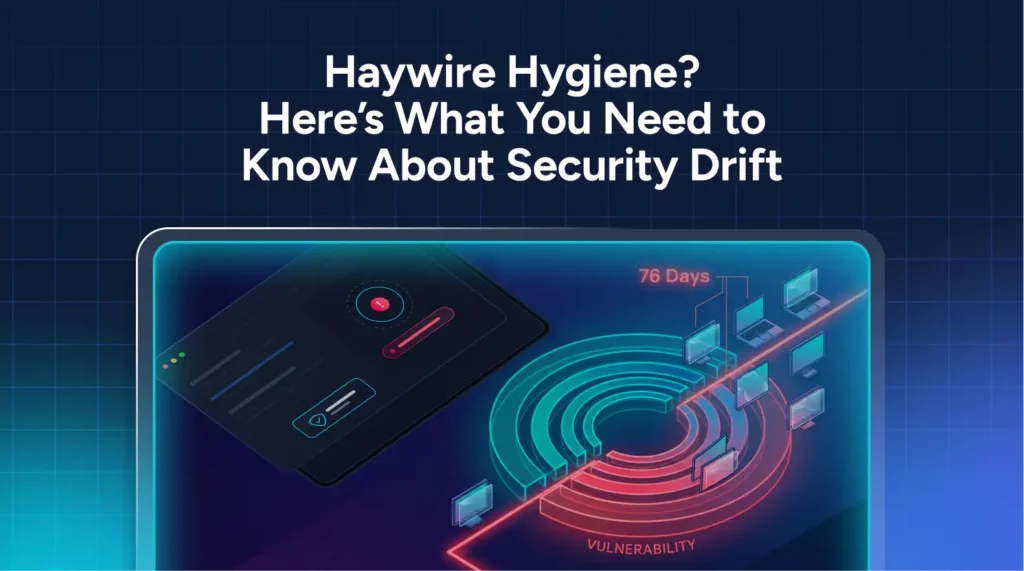
Configuration drift management should not be treated as a checklist exercise, but as a change-control discipline for security teams that need their hardening, policies, and protections to actually hold over time.
From patches and configuration changes to software removal, the devil is in the details when it comes to remediating endpoints. Here we look at the role played by impact analysis, controlled execution, verification, and rollback in preventing operation disruption.
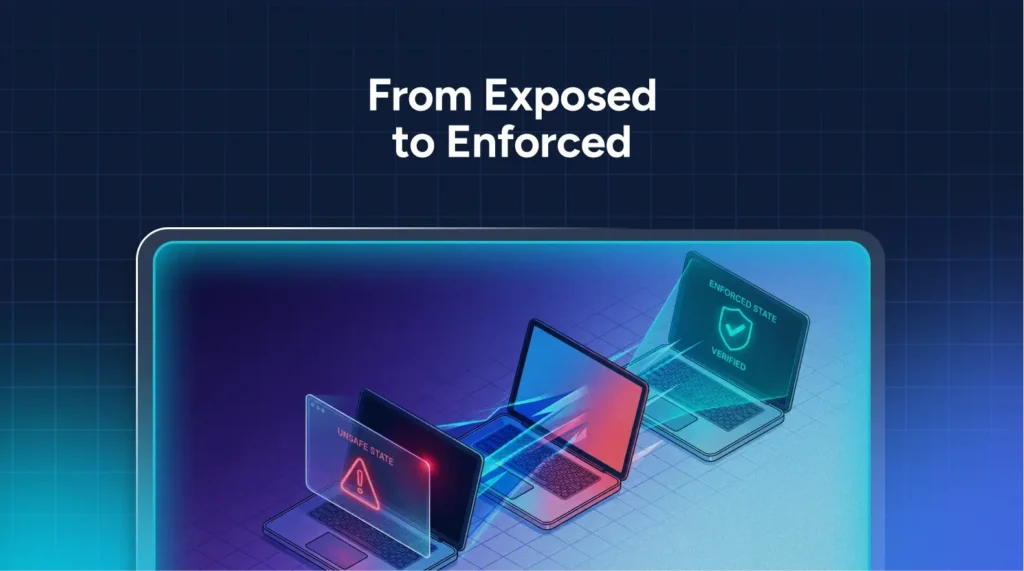
Endpoint security has become very good at telling organizations what's. It's far less reliable at keeping systems right. Device posture management closes that gap.