Gartner’s How to Achieve the Minimum Viable AI Governance


Blog
Compliance Calendar: Key Cybersecurity Dates to Track

Compliance

Compliance is a moving target shaped by global regulations, evolving threats, and constantly constrained internal resources. But when compliance deadlines slip through the cracks, the consequences can be severe.
Keeping up is easier said than done. Sometimes requirements change with little notice or the nuances of a mandate may be easily missed.
Of course, the teams responsible for making those changes and adhering to those mandates are chronically overloaded and the nitty gritty responsibilities of implementation may be scattered across several departments.
Some degree of chaos comes with the territory and the truth is that planning and preparing well ahead of the deadline is less common and less organized than it should be. Sometimes critical deadlines are missed. More often though, it's a mad dash to the finish line. Either way, it's not ideal.
Consider this a cheat sheet of sorts to help you better plan and get ahed of your compliance calendar.
Compliance Calendar: Essential Enablement for the Organization
Compliance deadlines are like a ticking-time bomb. When the timer hits zero, if you haven't adequately prepared, the fallout can be devastating.
Audits, fines, and penalties, oh my! Which is why so much time and energy is poured into keeping compliant even as standards evolve.
When deadlines near, the organizational strain becomes intense and it can feel like everything else gets pushed aside. Teams work late nights and weekends to patch gaps and pass audits. Projects stall. Strategic initiatives are paused. Resources are reallocated. Not because it’s efficient, but because it’s urgent.

The result? Fatigue, frustration, and a culture that begins to normalize last-minute heroics at the expense of long-term resilience. And ultimately, the loss of more money which is thrown at tooling and outside assistance.
And then there’s the technical debt. Compliance done under pressure is rarely done well. Shortcuts get taken. Documentation is rushed. And hygiene slips. These small cracks in the foundation tend to widen over time, increasing the likelihood of human error, system vulnerabilities, and future compliance failures.
Of course, some of the chaos is to be expected. While quarterly or semi-annual review cycles catch existing issues, they fail to account for upcoming deadlines that fall between checkpoints. By the time a new requirement surfaces in the next audit window, the opportunity for low-stress, proactive remediation may have already passed — forcing an winded (and winding) sprint instead of a plan.
The more organizations can shift from operating in a reactive manner to assume a more forward-looking approach, the smoother the process of continuous compliance assurance will become. It can become part of how you operate rather than something you pause everything else to address.
Your Compliance Calendar: Key Deadlines to Track
It's hard to overstate the importance of keeping compliance deadlines in view and under control. With that in mind, here are some upcoming dates that should be on your calendar.
We've also included some of details about what it'll demand from your organization to maintain calm and compliance.
Digital Operational Resilience Act (DORA)
Deadlines:
- ICT Third-Party Registers Submission Deadline: April 30, 2025 (already passed)
- Regulatory Notification to CTPPs: July 2025
- Advanced Penetration Testing Begins: Late 2025 – Early 2026
- Annual ICT Framework Reviews Mandatory: Starting 2026
Who it affects: Primarily financial entities and their Information and Communication Technology (ICT) service providers operating within the EU. This includes banks, insurance companies, investment firms, payment institutions, and critical third-party providers (CTPPs) delivering essential ICT services such as cloud infrastructure, data analytics, and cybersecurity solutions.
As of April 2025, these financial organizations were required to submit detailed ICT third-party registers to regulators, mapping all critical technology vendors they rely on.
CTPPs designated as critical will soon face mandatory threat-led penetration testing, simulating realistic cyberattacks to evaluate their operational resilience. Additionally, annual reviews of ICT frameworks will become a regulatory baseline to ensure continuous improvement in managing operational and cyber risks.
This multi-phase rollout underscores how deeply interconnected third-party risk, operational continuity, and cyber resilience have become — and why waiting until enforcement to prepare is simply too late.
NHS Data Security and Protection Toolkit (DSPT) Submission
Deadline: June 30, 2025
Who it affects: NHS organizations and UK-based healthcare providers
The annual DSPT self-assessment is nothing new for NHS entities, but 2025 brings substantial changes. Most notably, Category 2 organizations are back — and they’re not off the hook. Additionally, independent audits aligned with the UK’s Cyber Assessment Framework (CAF) are now part of the process.
These updates raise the bar for accountability and accuracy, especially for organizations that may have relied on internal-only reviews in the past. The alignment with CAF isn’t just bureaucratic; it’s a signal that cybersecurity maturity is now a clinical priority.
ISO/IEC 27001:2022 Transition Deadline
Deadline: October 31, 2025
Who it affects: Organizations currently certified under ISO/IEC 27001:2013
The clock is ticking for organizations still operating under the 2013 version of the ISO/IEC 27001 standard. By October 31, 2025, all certifications must be updated to align with the 2022 revision, and the changes aren’t cosmetic.
The new standard introduces a sharper focus on technical controls, particularly around secure configuration management, system hardening, and the proactive management of technical vulnerabilities. In other words, reactive patching won’t cut it. Configuration baselines, change monitoring, and enforcement of secure settings will all be critical for maintaining compliance.
This isn’t just about passing an audit — it’s a shift in posture toward operational resilience. If your ISMS hasn’t been updated yet, now’s the time to start.
NYDFS Cybersecurity Regulation Updates
Deadline: November 1, 2025
Who it affects: Covered entities in New York, including financial institutions and regulated organizations
The New York Department of Financial Services (NYDFS) continues to tighten its cybersecurity requirements, and the final implementation deadline is fast approaching. By November 1, 2025, all covered entities must have multi-factor authentication (MFA) in place for anyone accessing internal systems, as well as an up-to-date, accurate asset inventory.
While MFA has become standard for many, the rigor of the NYDFS regulation leaves little room for partial implementations or legacy exceptions. Accurate asset inventories — often treated as a spreadsheet chore — will now be a formal requirement, with enforcement implications.
These are foundational elements of a secure, accountable infrastructure, and the deadline leaves little buffer for procrastination.
SEC Names Rule Amendments
Deadlines:
- Larger Fund Groups (≥ $1B assets): June 11, 2026
- Smaller Fund Groups (< $1B assets): December 11, 2026
Who it affects: Investment funds governed by the SEC’s Names Rule
The SEC’s revamped Names Rule is designed to ensure that a fund’s name actually reflects its investments — and the enforcement timeline is in place. Starting in mid-2026, funds must adhere to an “80% rule,” committing that 80% of assets align with what their fund's name.
This isn’t just a branding issue. Funds will need to update prospectuses and shareholder reports accordingly, and enforcement will be keen on any discrepancies between what’s promised and what’s in the portfolio. In addition, meeting the SEC Names Rule requires secure data management and robust operational controls, making it a key milestone for cybersecurity and compliance teams.
For firms large and small, this rule marks a renewed push for investor transparency — and operational precision.
NIST SP 800-53 Rev. 5 Compliance (FedRAMP)
Deadline: September 2026
Who it affects: U.S. federal agencies and FedRAMP-authorized cloud service providers or vendors
The revision 5 of NIST SP 800-53 isn’t an incremental update — it’s a shift in cybersecurity expectations and practices. Cloud vendors operating under FedRAMP must align their systems with the revised control baselines, which place significant emphasis on configuration management, system hardening, and continuous monitoring.
Also on the horizon: NIST SP 800-171 Rev. 3 will become mandatory for contractors handling Controlled Unclassified Information (CUI), affecting DFARS and CMMC 2.0 compliance down the line.
EU NIS 2 Directive
Deadline: April 18, 2027
Who it affects: Medium and large organizations in critical sectors across the EU
The NIS 2 Directive raises the floor — and the ceiling — for cybersecurity across the European Union. Expanding the scope of the original directive, NIS 2 applies to more sectors (including energy, transport, healthcare, and digital infrastructure) and imposes stricter requirements for governance, risk management, and incident reporting.
Organizations must implement processes for identifying risks, reporting major incidents within 24 hours, and maintaining a defensible cybersecurity posture — not just in policy, but in measurable practice.
For critical infrastructure and digital providers, this isn’t a “wait and see” scenario. Early alignment can be the difference between a smooth audit and a very public failure.
DoD CMMC 2.0 Rollout
Deadline: March 1, 2028
Who it affects: Defense contractors and subcontractors handling DoD data
The Cybersecurity Maturity Model Certification (CMMC) has entered its 2.0 phase, with final compliance deadlines now set. Contractors must meet tiered cybersecurity requirements based on the sensitivity of the data they handle, with a renewed focus on Controlled Unclassified Information (CUI).
CMMC 2.0 simplifies the original model while enforcing more accountability — particularly through third-party assessments and proof of ongoing control effectiveness. For anyone in the defense supply chain, this isn’t just a federal checkbox. It’s a business prerequisite.
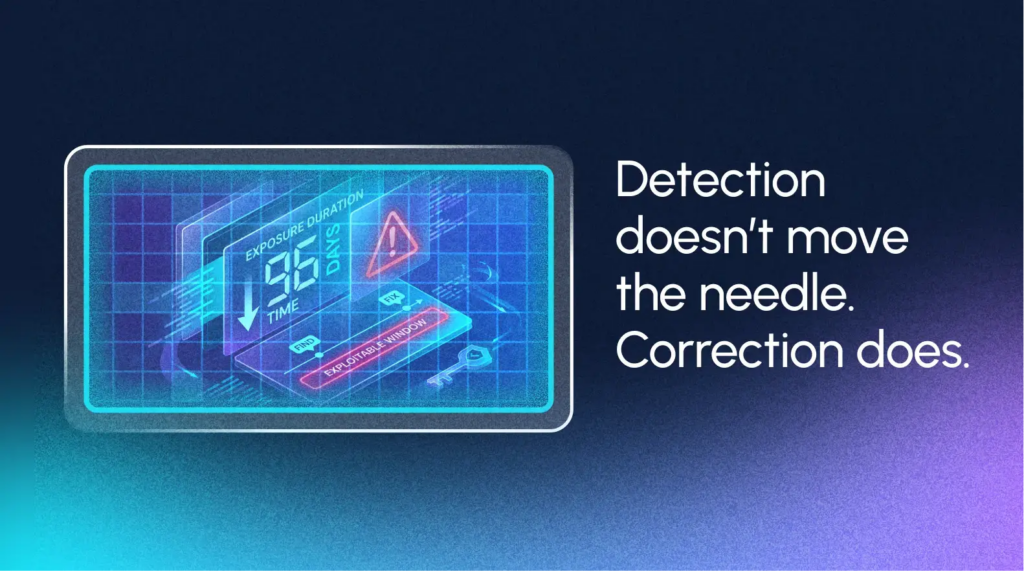
-min.png?width=1378&height=344&name=compliance-calendar-quote%20(1)-min.png)
Compliant by Design, Not Deadline
The more organizations treat compliance as a strategic asset and not as an afterthought, the more they can reduce risk, protect their teams, and maintain a stronger security posture in the long run.
Remedio translates abstract compliance principles into concrete, actionable safeguards, empowering organizations to be secure by design, stay ahead of audits, and maintain compliance with confidence and minimal effort.
Through continuous monitoring, Remedio compares live device states against the requirements of frameworks like CIS, NIST, and ISO. And any violations can be immediately resolved with Remedio click-to-remediation capabilities. It's a systematic way to reduce human error and enforce consistent policies across your environment.
So don’t wait for the next scramble. Mark your calendar. Align your teams. And make compliance a driver of performance — not panic.


FAQ
Why is a compliance calendar important for cybersecurity teams?
A compliance calendar helps security, IT, and compliance teams prepare for regulatory deadlines before they become urgent. Rather than reacting to audits or last-minute requirements, organizations can schedule assessments, remediation, policy reviews, and evidence collection throughout the year. This reduces operational disruption while improving audit readiness.
Which compliance frameworks should organizations prioritize?
The right frameworks depend on your industry, geography, and customer requirements. Financial institutions may need to address DORA or NYDFS, healthcare organizations may focus on DSPT or HIPAA, cloud service providers often require FedRAMP alignment, while defense contractors must prepare for CMMC 2.0. Many organizations must comply with multiple frameworks simultaneously, making centralized planning essential.
How can organizations avoid last-minute compliance remediation?
The best approach is continuous compliance rather than periodic audit preparation. Regular configuration monitoring, automated policy validation, ongoing evidence collection, and prompt remediation help prevent security gaps from accumulating between audits. This shifts compliance from a reactive project into an operational discipline.
What is the difference between being compliant and being secure?
Compliance demonstrates that an organization meets the requirements of a specific standard at a particular point in time. Security is an ongoing process of identifying and reducing risk as systems, users, and threats change. While compliance supports security, passing an audit alone does not guarantee that an organization is protected against modern attacks.
Why do organizations struggle to maintain compliance after passing an audit?
Enterprise environments change constantly. New software, configuration drift, infrastructure updates, employee changes, and evolving threats can quickly invalidate previously compliant configurations. Without continuous monitoring and enforcement, organizations often fall out of compliance long before their next scheduled assessment.
How does automation improve compliance management?
Automation reduces the manual effort required to validate configurations, enforce security baselines, collect audit evidence, and remediate policy violations. It also helps organizations respond more quickly when standards change, reducing the operational burden on security and IT teams while improving consistency.
What happens if a compliance deadline is missed?
Missing a compliance deadline can lead to regulatory penalties, failed audits, increased cyber risk, contractual issues, or reputational damage. Beyond the immediate consequences, delayed remediation often creates larger operational workloads as technical debt accumulates over time.
How often should organizations review their compliance calendar?
A compliance calendar should be reviewed continuously rather than only before major audits. Teams should update it whenever new regulations are introduced, business operations change, or additional frameworks become applicable. Quarterly reviews are a practical baseline, but organizations operating in highly regulated industries often benefit from ongoing monitoring and adjustment.
About Author