
Gartner’s How to Achieve the Minimum Viable AI Governance


Automated remediation is close to technically solved and organizationally stalled — most teams won’t let software change production without a human in the loop. These articles cover what makes autonomous fixes trustworthy: dependency awareness, blast-radius prediction, policy control, and rollback that works every time.

Dario Amodei just made the most consequential call yet for slowing AI down. Buried in it were security concerns every CISO should know. The exploits weren't new: unauthenticated service, leaked tokens, unsafe file parsing, secrets on a production worker.
Topic
Author
Autonomous remediation will succeed or fail on more than model capability. It will depend on whether security teams can prove that a proposed change is safe, bounded, reversible, and durable in production.

From patches and configuration changes to software removal, the devil is in the details when it comes to remediating endpoints. Here we look at the role played by impact analysis, controlled execution, verification, and rollback in preventing operation disruption.
Capture the noteworthy, cut the noise!
Get Remedio’s monthly endpoint security briefing on emerging risks, hardening strategies, and what’s new in enterprise security.
Subscribe to our newsletter to stay up-to-date and in the loop.
One email a month. Unsubscribe anytime.
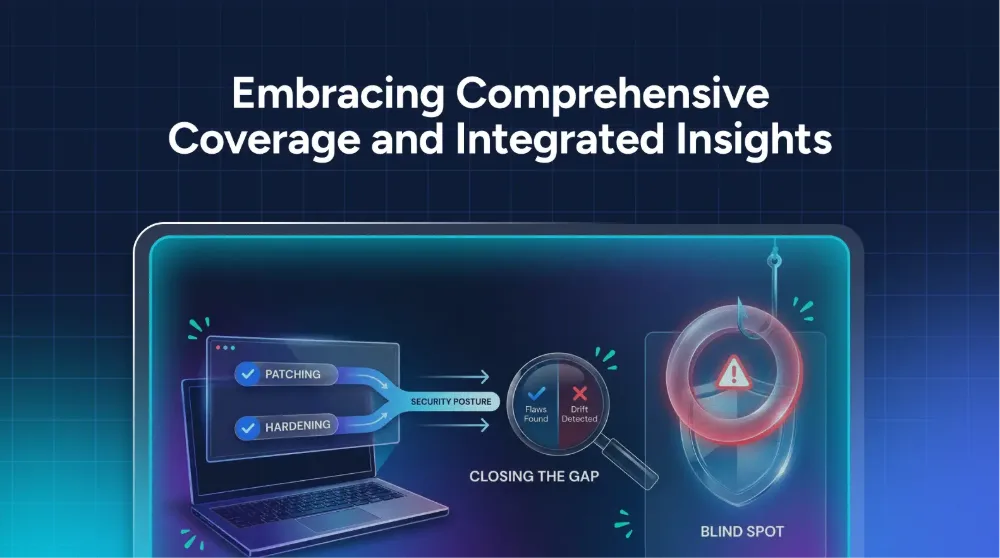
Separating vulnerability patching from configuration hardening creates a widening exposure gap and severe operational drag. Learn how borrowing principles from DevOps allows security teams to unify exposure intelligence and enforce continuous, safe remediation.

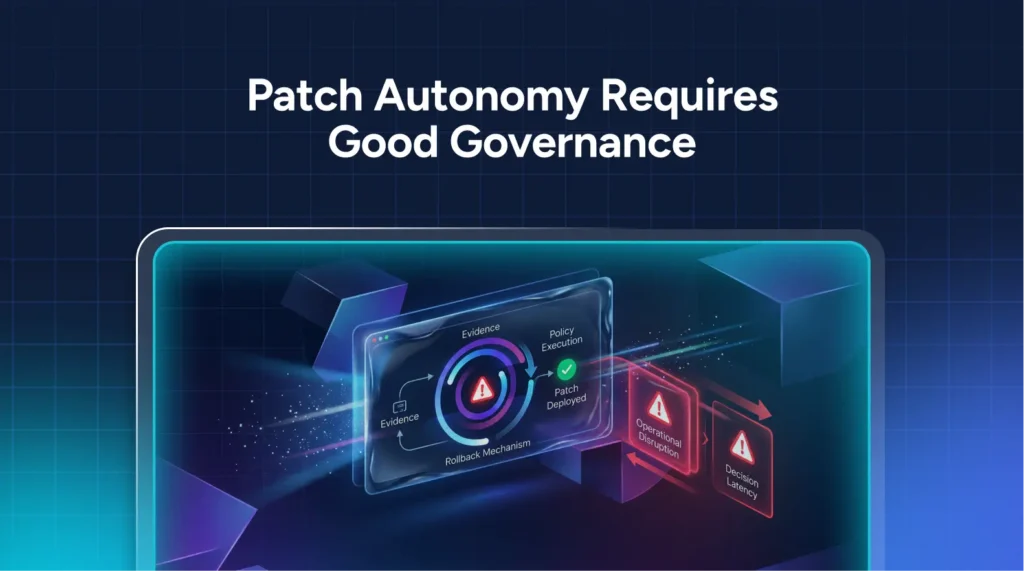
Critical exposure windows remain open for 70+ days because patch deployment is rarely simple. Remedio breaks down the framework for mapping vulnerabilities into confidence classes, establishing policy-bounded guardrails, and safely removing human delays.


The industry's come a long way in finding vulnerabilities and building workflows around the findings. The missing part is operational. Effective vulnerability management must support safe, speedy, and continuously enforced change.

Security teams struggle to pursue remediations without placing the business in the crosshairs. Dependency mapping closes that gap by connecting security findings to runtime behavior, service relationships, workflows, and business impact.
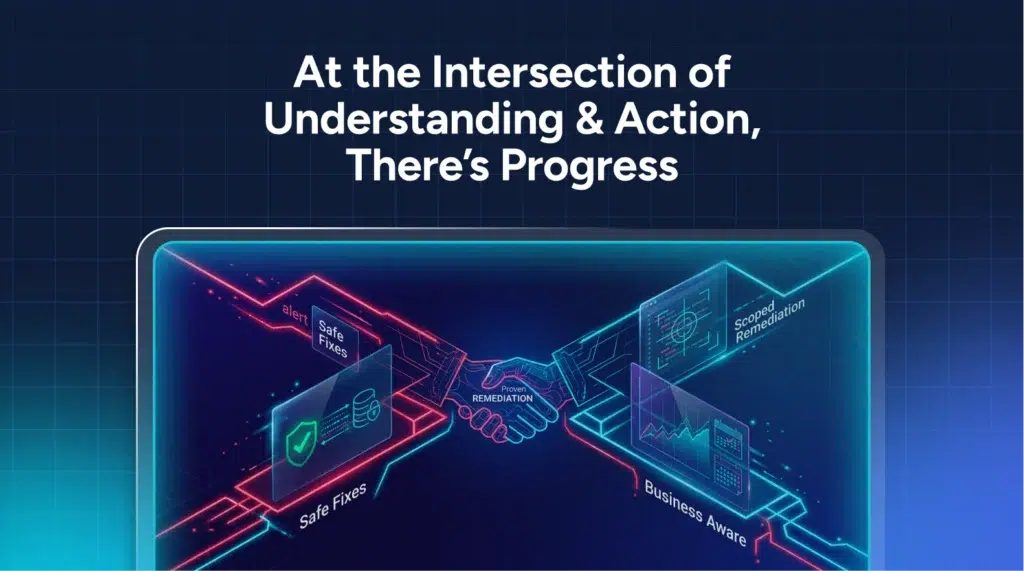
The next battleground isn’t speed alone, but an embrace of business-aware control that allow operators to reduce exposure decisively, safely, and at scale through autonomous remediation.
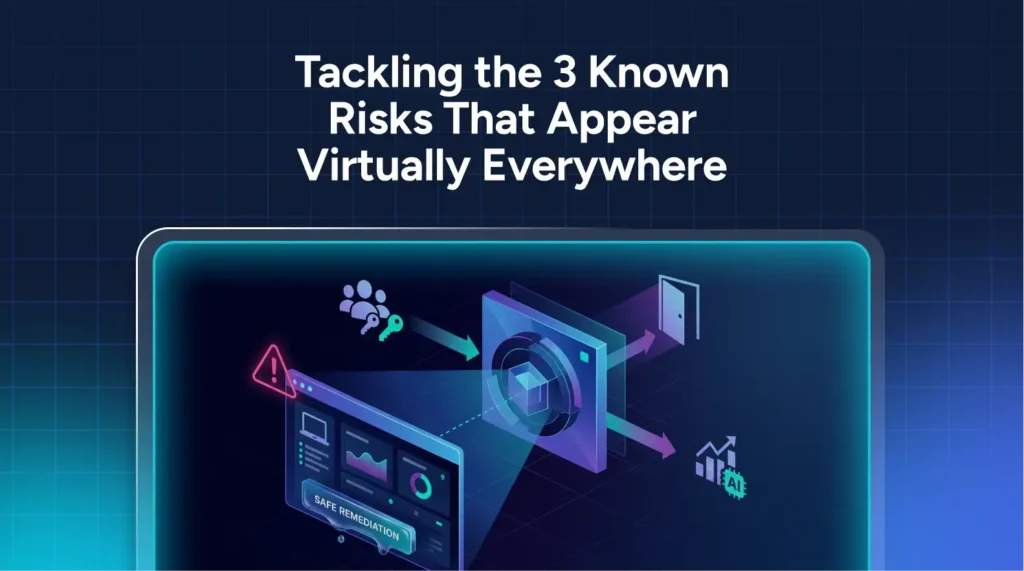
Most cyber risk isn’t unknown, it’s unresolved. Identity drift, exposed remote access, and shadow AI keep known exposures alive. Here's how continuous risk reduction can close the gap.

Fragmented enforcement, protracted workflows, complicated change management, and unknown impact slow down your business. Safe, dependency-aware remediation are essential to reducing exposure without disrupting the business.

For years, detection stacks grew, triage workflows expanded, ticket queues became normal, and patch windows stretched. Today, finding vulnerabilities is no longer the hard part. Safe remediation is.


This article explains how configuration debt increases breach risk, weakens compliance, and creates operational drag. It also explains why continuous, safe remediation is the only reliable way to pay it down, and provides some guidance or so doing.