Gartner’s How to Achieve the Minimum Viable AI Governance


Hardening is the control layer most estates start and never finish. These articles cover baseline selection and enforcement, the settings that matter most on Windows endpoints and servers, why hardening regresses after it’s applied, and how to roll changes out without generating a wave of tickets.
Automated remediation closes the gap between finding risk and maintaining a hardened state – turning security findings into prioritized, validated, reversible fixes that stay enforced as environments change.
Topic
Author
Finding vulnerabilities is not the security outcome. Learn how automated remediation turns vulnerability management into preemptive action by safely eliminating exposed states before attackers can exploit them.

Configuration drift management should not be treated as a checklist exercise, but as a change-control discipline for security teams that need their hardening, policies, and protections to actually hold over time.
Capture the noteworthy, cut the noise!
Get Remedio’s monthly endpoint security briefing on emerging risks, hardening strategies, and what’s new in enterprise security.
Subscribe to our newsletter to stay up-to-date and in the loop.
One email a month. Unsubscribe anytime.
From patches and configuration changes to software removal, the devil is in the details when it comes to remediating endpoints. Here we look at the role played by impact analysis, controlled execution, verification, and rollback in preventing operation disruption.
Higher education security fails when detection doesn't lead to correction. Learn how unified device and identity governance tames the September surge.
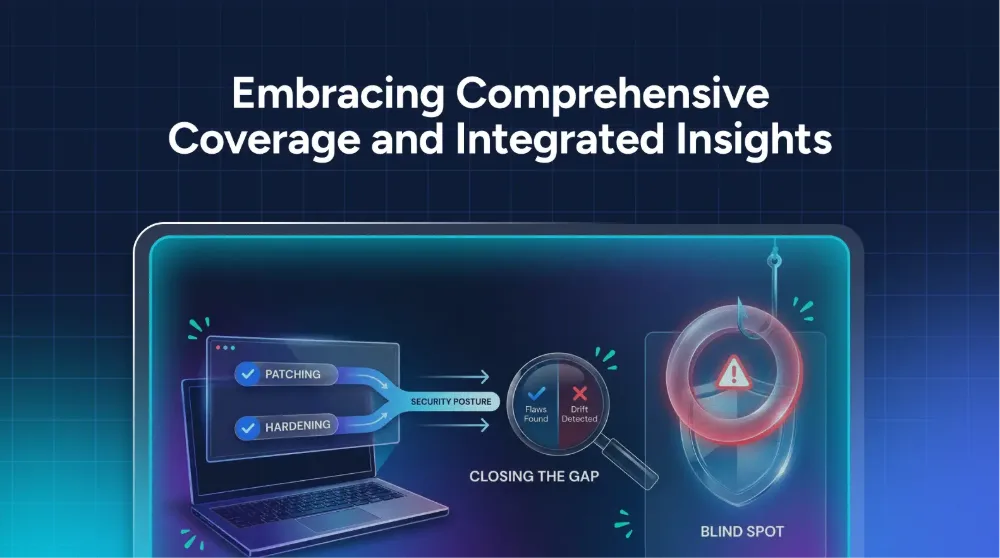
Separating vulnerability patching from configuration hardening creates a widening exposure gap and severe operational drag. Learn how borrowing principles from DevOps allows security teams to unify exposure intelligence and enforce continuous, safe remediation.

The Hugging Face incident shows that, as AI changes the economics of the vulnerability backlog, security teams must shift from managing risk on paper to safely eliminating it at scale.

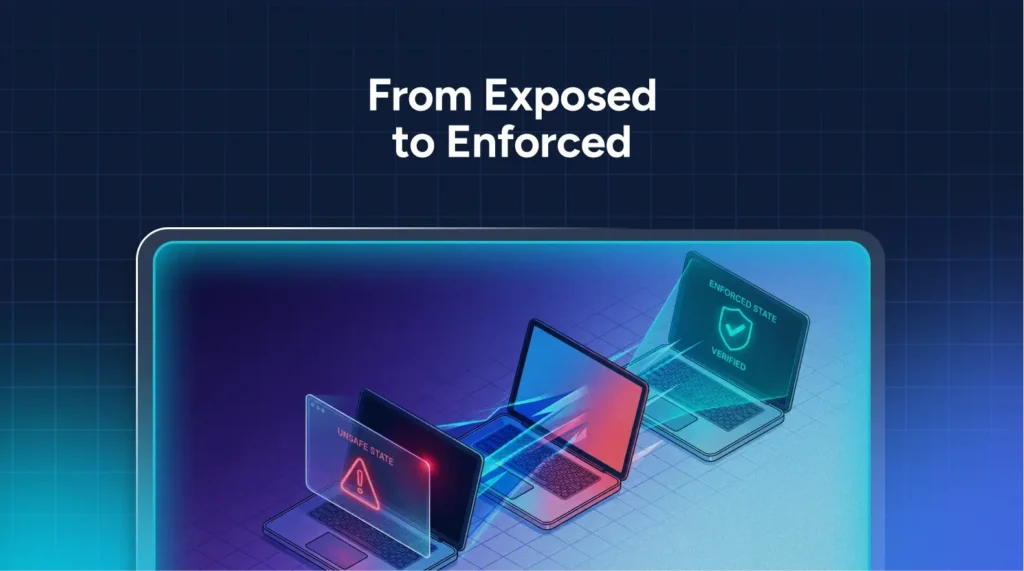
Endpoint security has become very good at telling organizations what's. It's far less reliable at keeping systems right. Device posture management closes that gap.
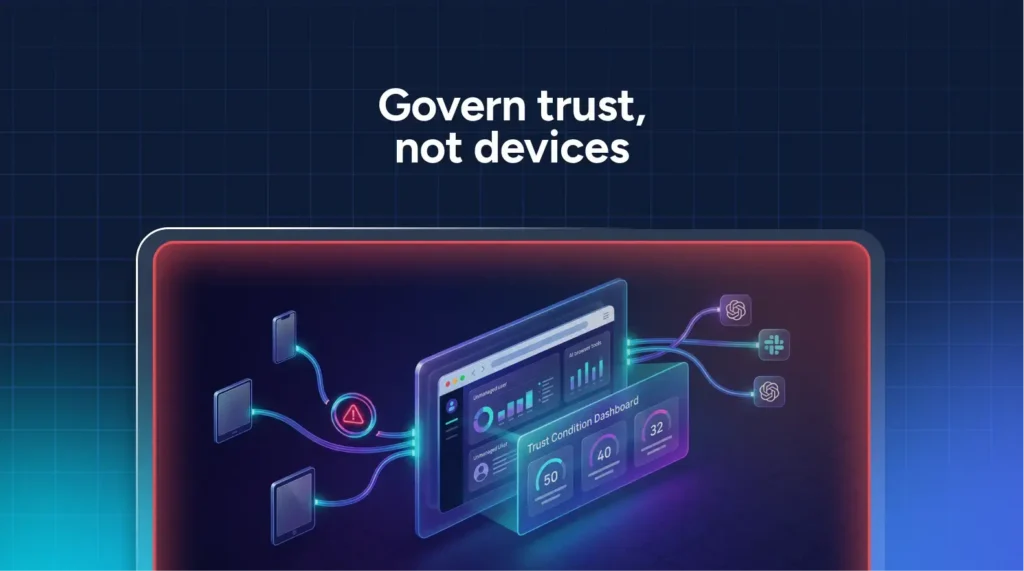
Personal devices create management blind spots while borrowed trust and AI-enabled access expand the attack surface. Here's what operators can do to reduce exposure...

For years, detection stacks grew, triage workflows expanded, ticket queues became normal, and patch windows stretched. Today, finding vulnerabilities is no longer the hard part. Safe remediation is.


Security teams don’t struggle because they miss endpoint risks. They struggle because the same exposures keep coming back. Here we explain where and why risk management breaks down and what can be done to prevent risk recurrence.