Gartner’s How to Achieve the Minimum Viable AI Governance


Tune in to tune up your endpoint defenses!
Your go-to destination for all things posture management & configuration security…
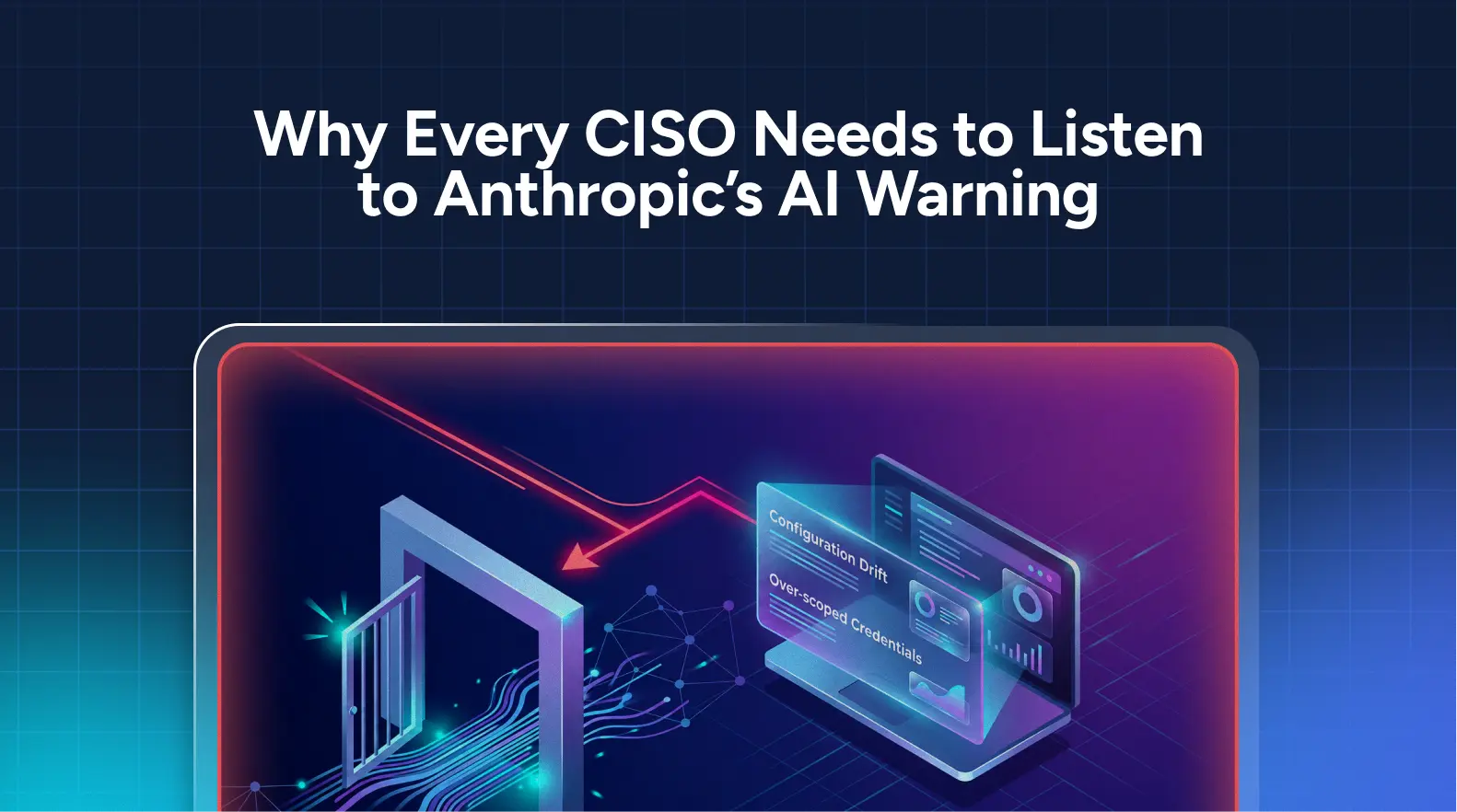
Dario Amodei just made the most consequential call yet for slowing AI down. Buried in it were security concerns every CISO should know. The exploits weren't new: unauthenticated service, leaked tokens, unsafe file parsing, secrets on a production worker.
Topic
Author
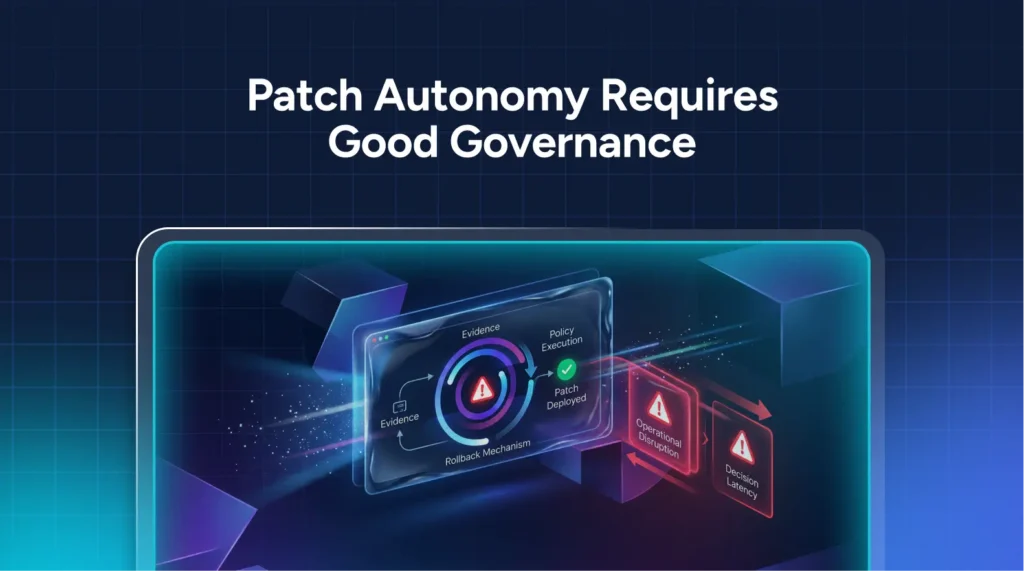
Critical exposure windows remain open for 70+ days because patch deployment is rarely simple. Remedio breaks down the framework for mapping vulnerabilities into confidence classes, establishing policy-bounded guardrails, and safely removing human delays.

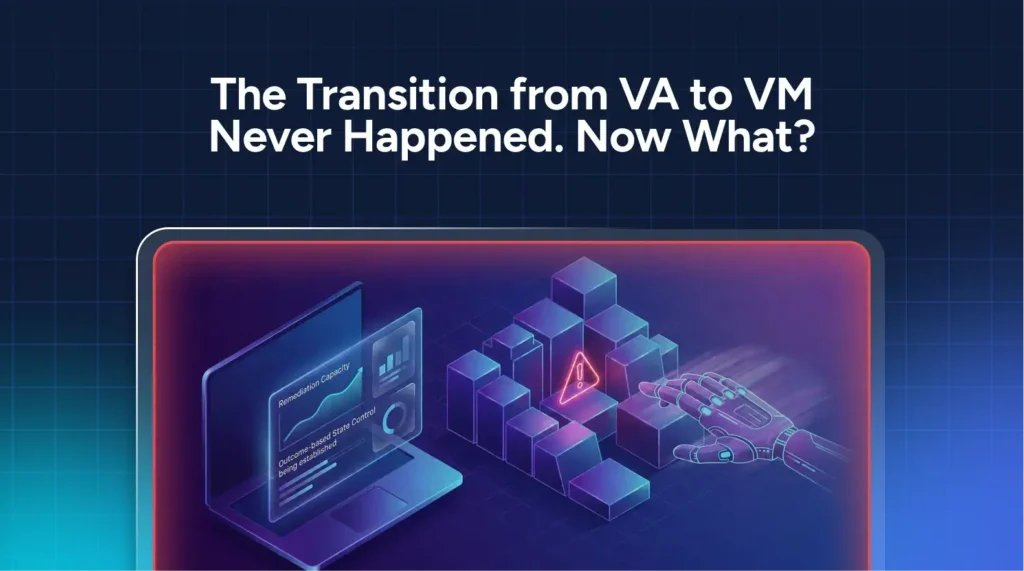
The industry's come a long way in finding vulnerabilities and building workflows around the findings. The missing part is operational. Effective vulnerability management must support safe, speedy, and continuously enforced change.

Capture the noteworthy, cut the noise!
Get Remedio’s monthly endpoint security briefing on emerging risks, hardening strategies, and what’s new in enterprise security.
Subscribe to our newsletter to stay up-to-date and in the loop.
One email a month. Unsubscribe anytime.
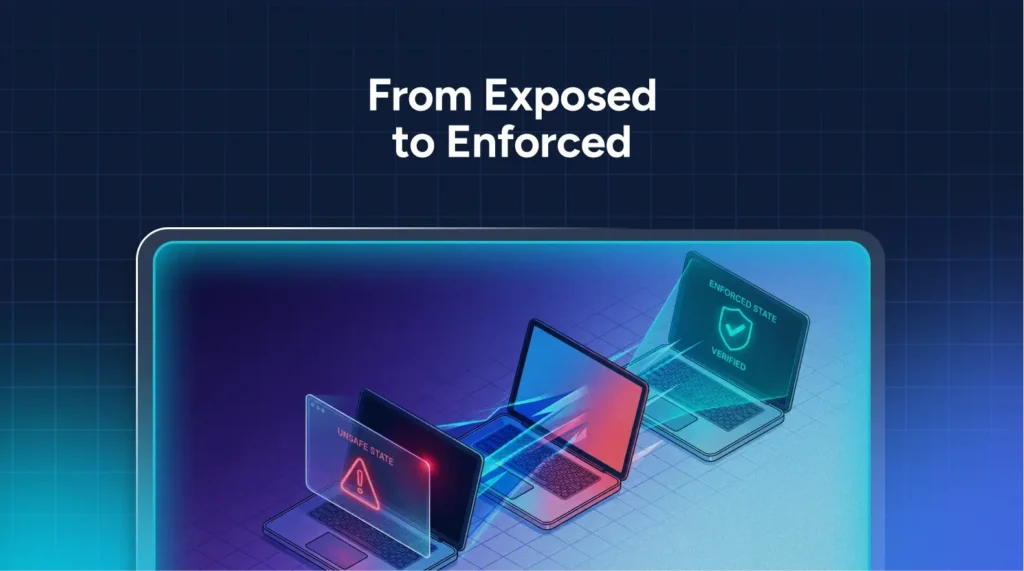
Endpoint security has become very good at telling organizations what's. It's far less reliable at keeping systems right. Device posture management closes that gap.
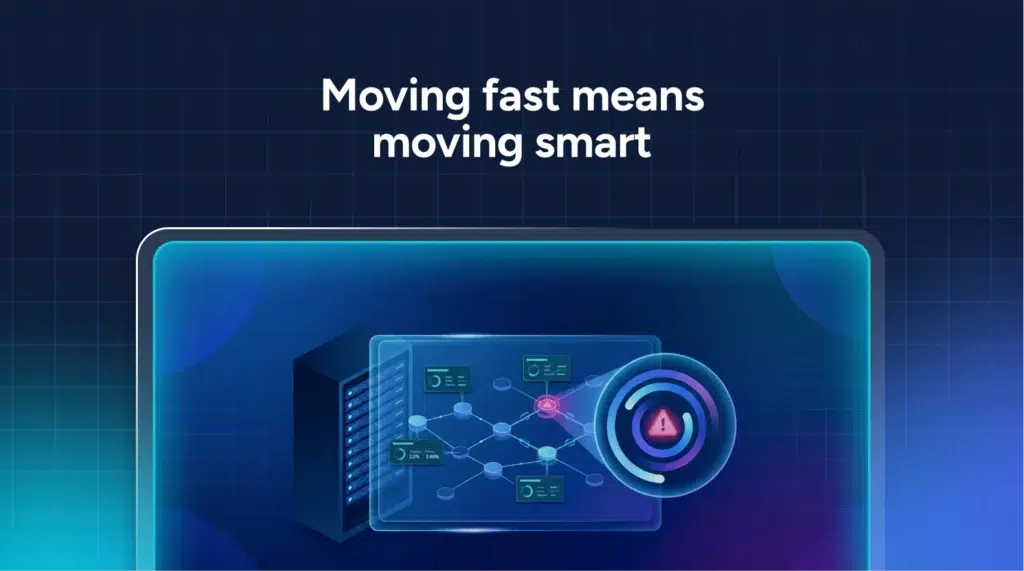
Security teams struggle to pursue remediations without placing the business in the crosshairs. Dependency mapping closes that gap by connecting security findings to runtime behavior, service relationships, workflows, and business impact.
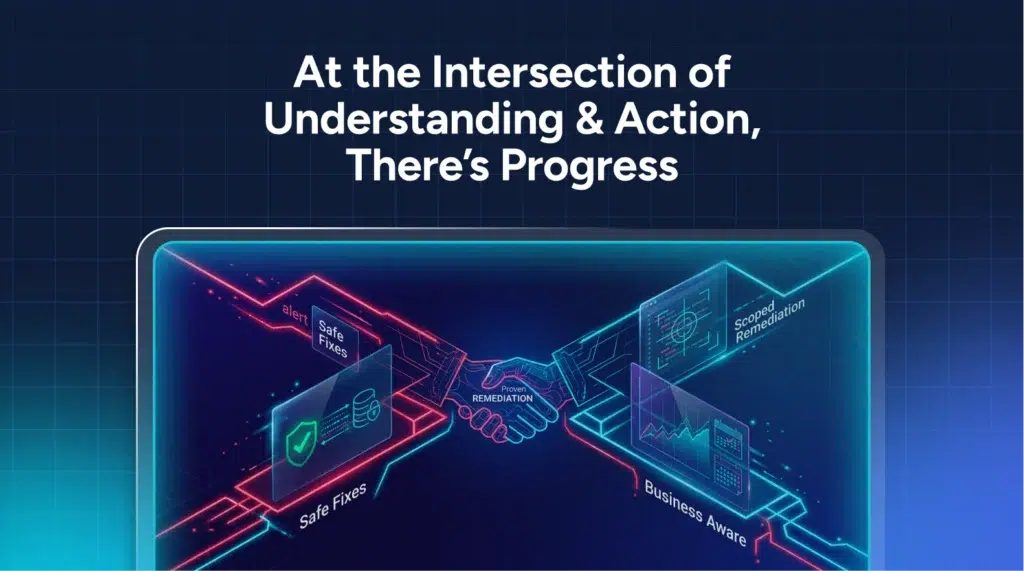
The next battleground isn’t speed alone, but an embrace of business-aware control that allow operators to reduce exposure decisively, safely, and at scale through autonomous remediation.
Learn how clear IT governance policies and repeatable processes systematically reduce decision fatigue, simplify change management, and lower security risk.
EDR tells you what happened. Configuration security tells you why it was possible. Learn how integrating both helps teams reduce exposure, prioritize faster, and drive safe remediation.
Personal devices create management blind spots while borrowed trust and AI-enabled access expand the attack surface. Here's what operators can do to reduce exposure...
Most cyber risk isn’t unknown, it’s unresolved. Identity drift, exposed remote access, and shadow AI keep known exposures alive. Here's how continuous risk reduction can close the gap.
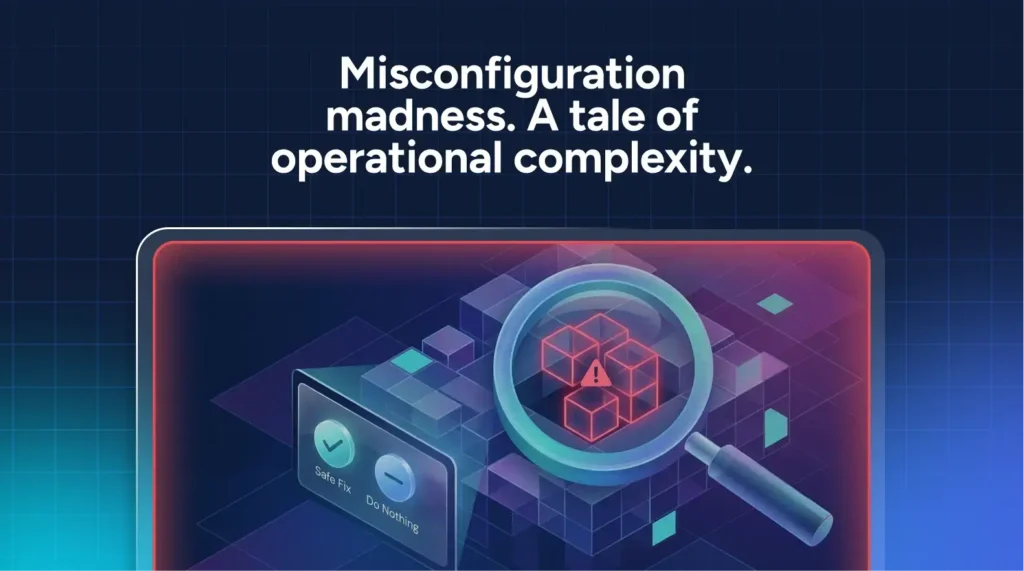
Most security teams already know misconfigurations matter. The real issue is that they rarely behave like isolated mistakes. They accumulate across endpoints, identities, cloud services, and network devices until the environment becomes harder to trust, harder to operate, and harder to defend.