Gartner’s How to Achieve the Minimum Viable AI Governance


Tune in to tune up your endpoint defenses!
Your go-to destination for all things posture management & configuration security…
Autonomous remediation will succeed or fail on more than model capability. It will depend on whether security teams can prove that a proposed change is safe, bounded, reversible, and durable in production.
Topic
Author
Finding vulnerabilities is not the security outcome. Learn how automated remediation turns vulnerability management into preemptive action by safely eliminating exposed states before attackers can exploit them.

Configuration drift management should not be treated as a checklist exercise, but as a change-control discipline for security teams that need their hardening, policies, and protections to actually hold over time.
Capture the noteworthy, cut the noise!
Get Remedio’s monthly endpoint security briefing on emerging risks, hardening strategies, and what’s new in enterprise security.
Subscribe to our newsletter to stay up-to-date and in the loop.
One email a month. Unsubscribe anytime.
A technical breakdown showing how an authentication bypass and a privilege escalation vulnerability in ArangoDB combined to allow unauthenticated root code execution.

From patches and configuration changes to software removal, the devil is in the details when it comes to remediating endpoints. Here we look at the role played by impact analysis, controlled execution, verification, and rollback in preventing operation disruption.

Higher education security fails when detection doesn't lead to correction. Learn how unified device and identity governance tames the September surge.
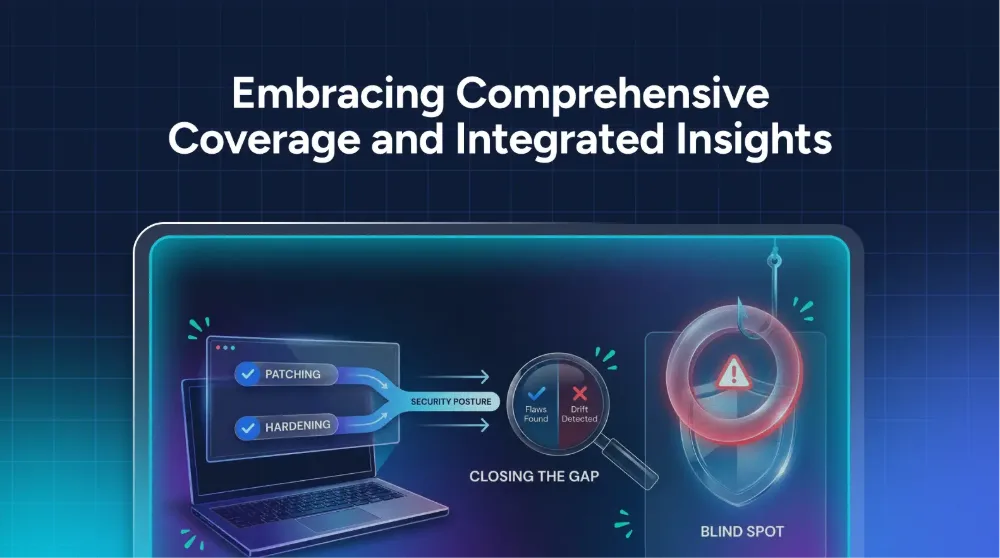
Separating vulnerability patching from configuration hardening creates a widening exposure gap and severe operational drag. Learn how borrowing principles from DevOps allows security teams to unify exposure intelligence and enforce continuous, safe remediation.

Security teams have automated discovery, analysis, and prioritization. But the final step still depends on manual coordination, and uncertain outcomes. Remedio Fortify closes that loop, translating findings to operationally safe, verified changes.


The Hugging Face incident shows that, as AI changes the economics of the vulnerability backlog, security teams must shift from managing risk on paper to safely eliminating it at scale.


A critical unauthenticated Remote Code Execution (RCE) vulnerability in CircleCI’s Model Context Protocol (MCP) server allowed attackers to spoof client headers and execute arbitrary pipeline code without credentials.
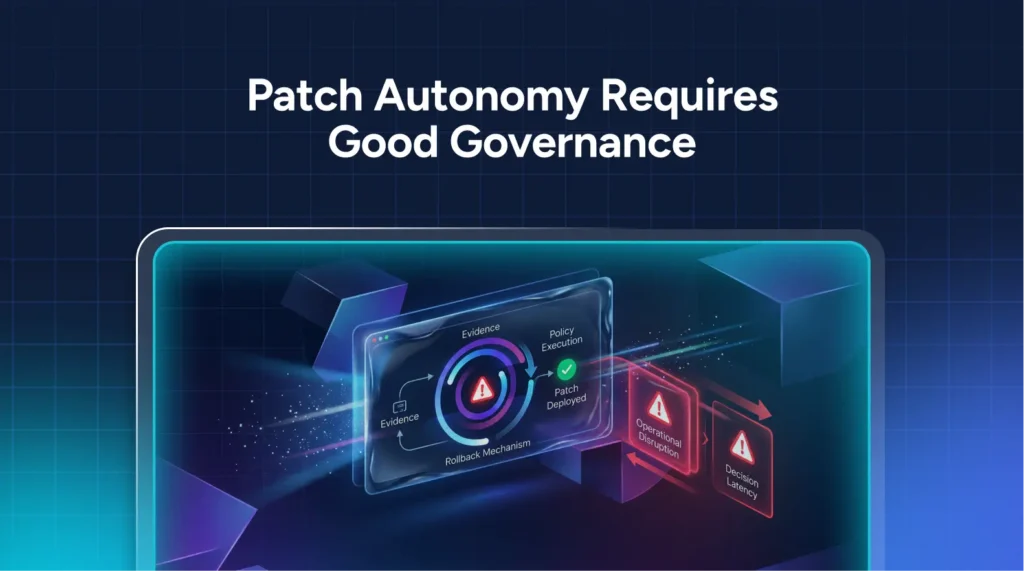
Critical exposure windows remain open for 70+ days because patch deployment is rarely simple. Remedio breaks down the framework for mapping vulnerabilities into confidence classes, establishing policy-bounded guardrails, and safely removing human delays.