Gartner’s Top Strategic Technology Trends for 2027


Tune in to tune up your endpoint defenses!
Your go-to destination for all things posture management & configuration security…

Fear of disruption keeps critical security gaps open. Learn how automated rollback, phased deployment, and continuous validation make security hardening safer at scale.
Topic
Author

A golden image gives you a clean starting point. It does not guarantee secure endpoints a week later. This article explains what goes into golden image enforcement and maintenance.


For financial institutions, true resilience depends on closing the last mile of security through safe, verified remediation that reduces risk without disrupting banking operations.
Capture the noteworthy, cut the noise!
Get Remedio’s monthly endpoint security briefing on emerging risks, hardening strategies, and what’s new in enterprise security.
Subscribe to our newsletter to stay up-to-date and in the loop.
One email a month. Unsubscribe anytime.
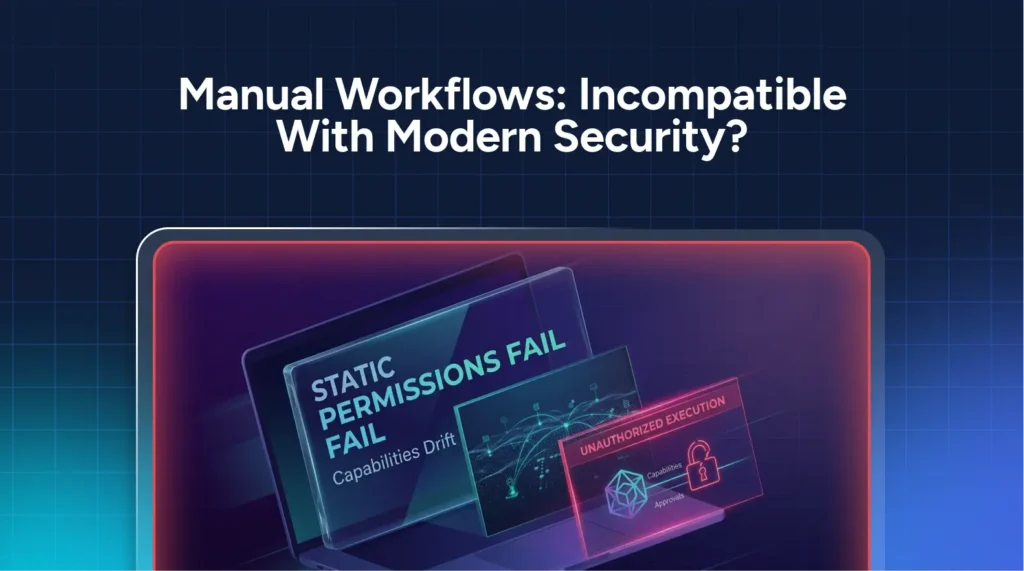
Manual security makes protection contingent on human availability. AI exposes that architectural weakness. Automated security workflows can turn repeated corrections into protection that persists.

Vulnerability prioritization identifies what matters most. Reducing the backlog requires turning those priorities into safe, verified remediation that can scale across the enterprise.
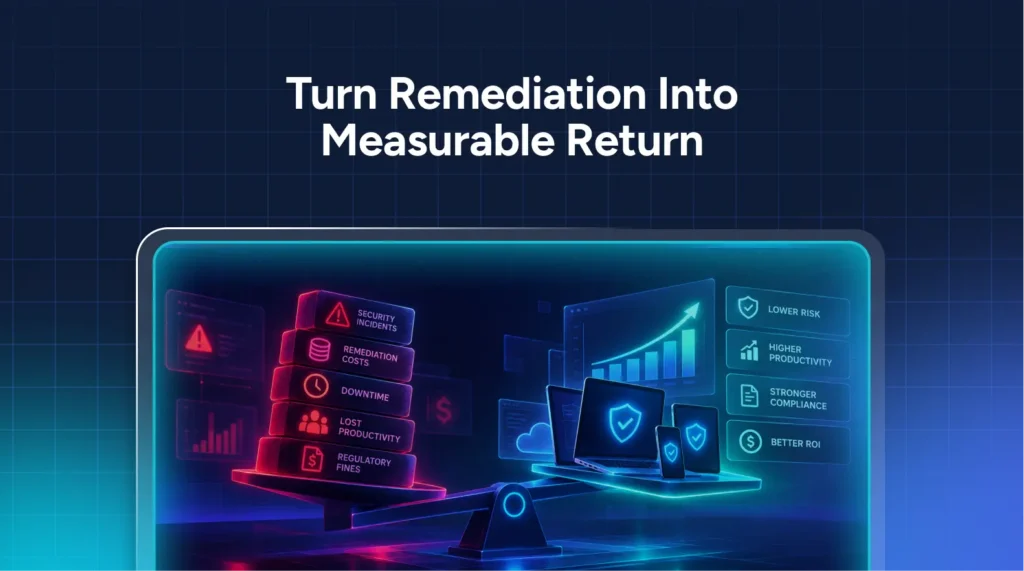
Cybersecurity ROI should not be measured by findings closed or patches deployed. Is must be a function of exposure reduction, verified outcomes, and recovered capacity measured against remediation costs.

Automated remediation closes the gap between finding risk and maintaining a hardened state – turning security findings into prioritized, validated, reversible fixes that stay enforced as environments change.
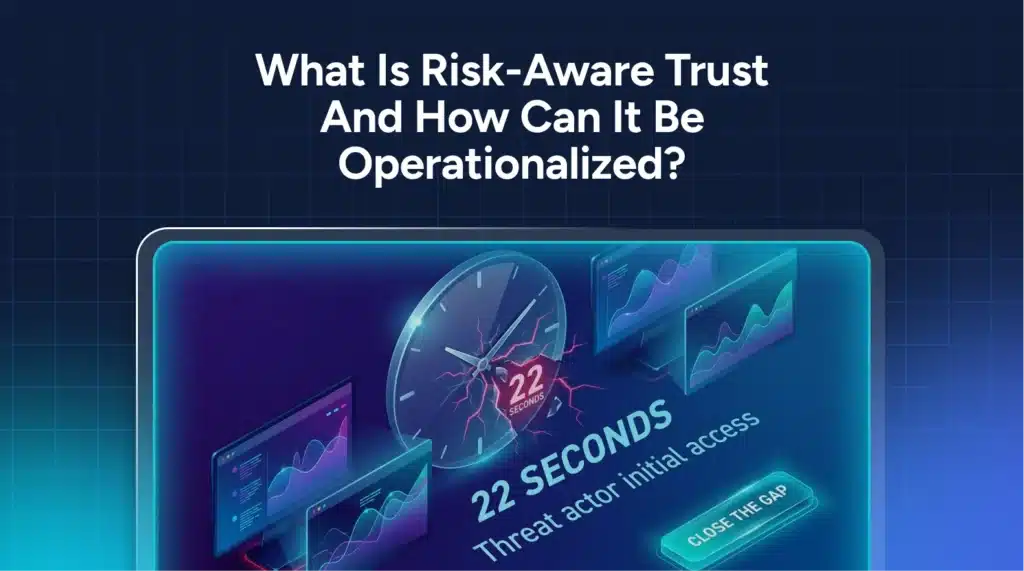
Autonomous remediation will succeed or fail on more than model capability. It will depend on whether security teams can prove that a proposed change is safe, bounded, reversible, and durable in production.
Finding vulnerabilities is not the security outcome. Learn how automated remediation turns vulnerability management into preemptive action by safely eliminating exposed states before attackers can exploit them.
Configuration drift management should not be treated as a checklist exercise, but as a change-control discipline for security teams that need their hardening, policies, and protections to actually hold over time.
From patches and configuration changes to software removal, the devil is in the details when it comes to remediating endpoints. Here we look at the role played by impact analysis, controlled execution, verification, and rollback in preventing operation disruption.